
First detailed look at life in the Irish Free State.
The long‑awaited 1926 Census of Ireland, released on 18 April 2026, provides the first detailed look at life in the early Irish Free State.
For genealogists, historians, and anyone tracing Irish ancestry, this is the most significant release of Irish records in over a decade.
The 1926 census contains 734,462 digitised household returns, all fully searchable and free to access on the National Archives of Ireland website.
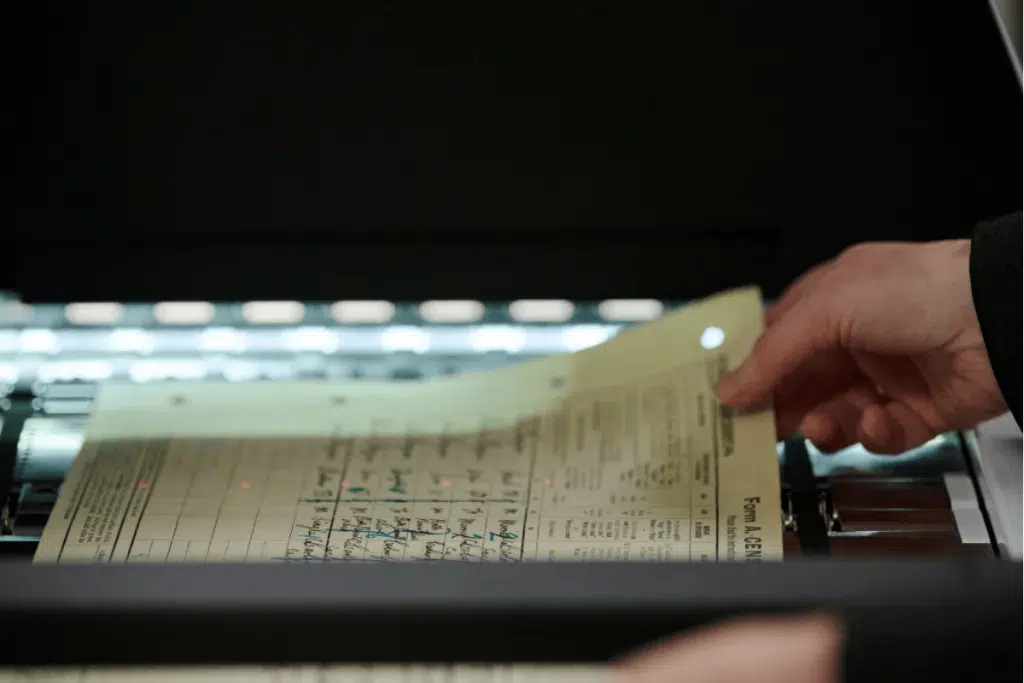
What Is the 1926 Census of Ireland?
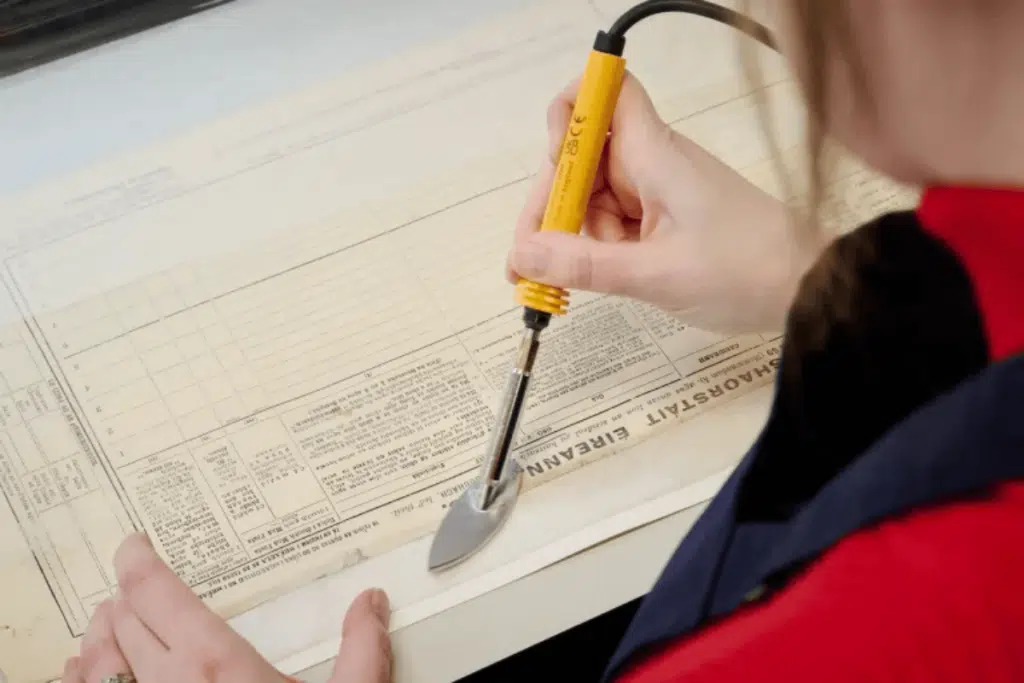
The 1926 Census of Ireland was the first census conducted by the Irish Free State. Unlike the 32 county censuses of 1901 and 1911, this 26 country census offers a snapshot into the lives of the people of Ireland post-independence.
It captured a country emerging from the First World War, the War of Independence and Civil War, offering a rare insight into how people lived during a formative time in Ireland’s history.
A total of 2,971,992 people were recorded, a decrease of 5.3% compared to the 1911 census. The records were sealed under Ireland’s 100‑year rule and are being released publicly for the first time in April 2026.
Why the 1926 Census Matters
1. Fills a major gap in Irish family history
The 1926 census bridges the genealogy gap between the surviving 1901 and 1911 censuses and later modern records.
2. Captures Irish society at a moment of profound change
The census reflects the political, social, and economic shifts that took place in Ireland between 1911 and 1926.
3. Challenges assumptions about Irish society
The returns reveal a diverse population, documenting immigrants from Britain, America, Italy, Germany, Egypt and more.
4. Adds depth to your family story
From occupation and literacy to language and religion, the census offers details that can bring an ancestor’s world to life.
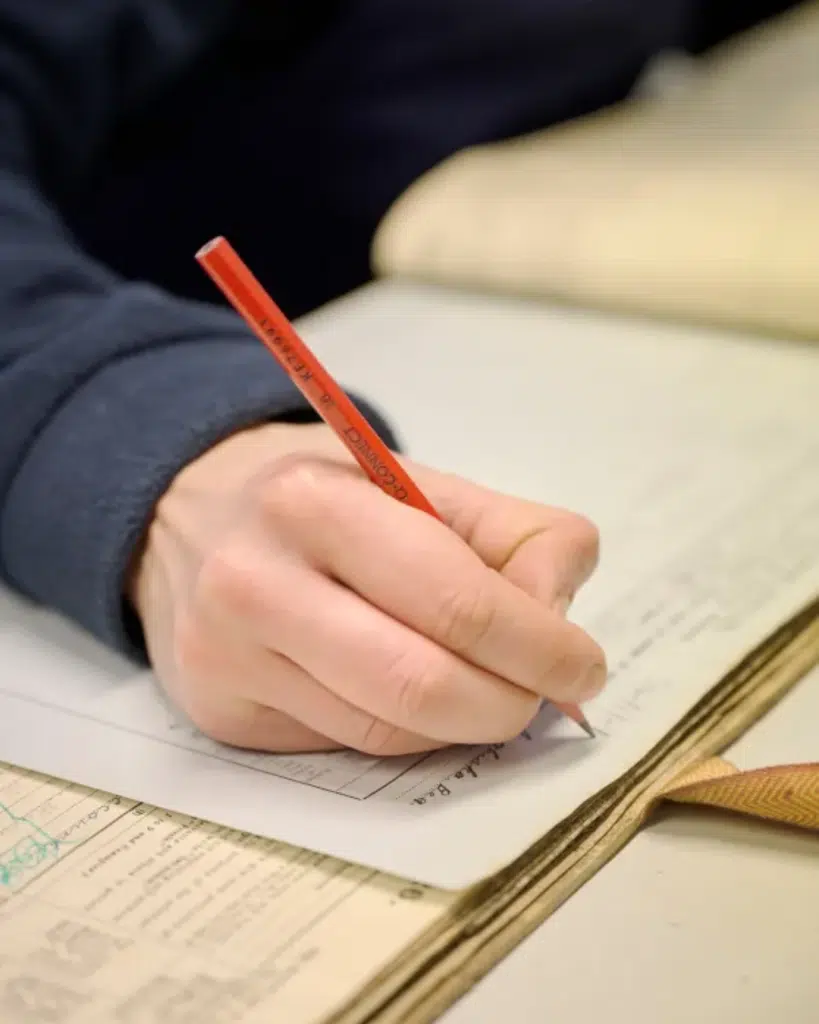
What Information Does the 1926 Census Include?
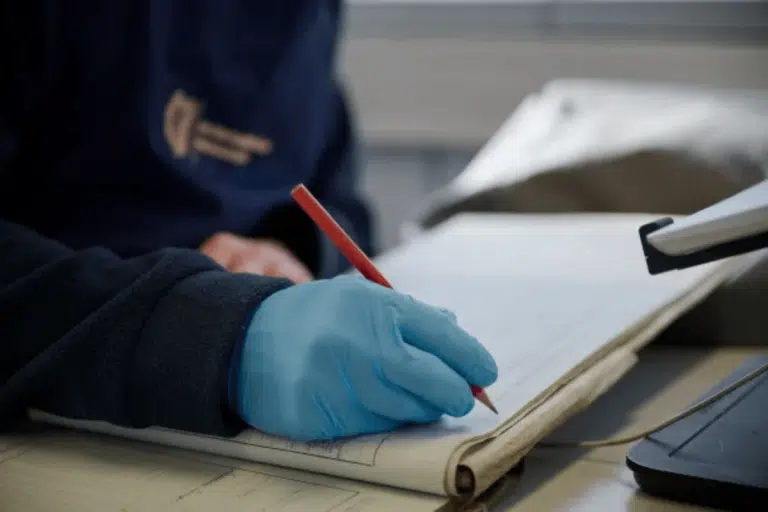
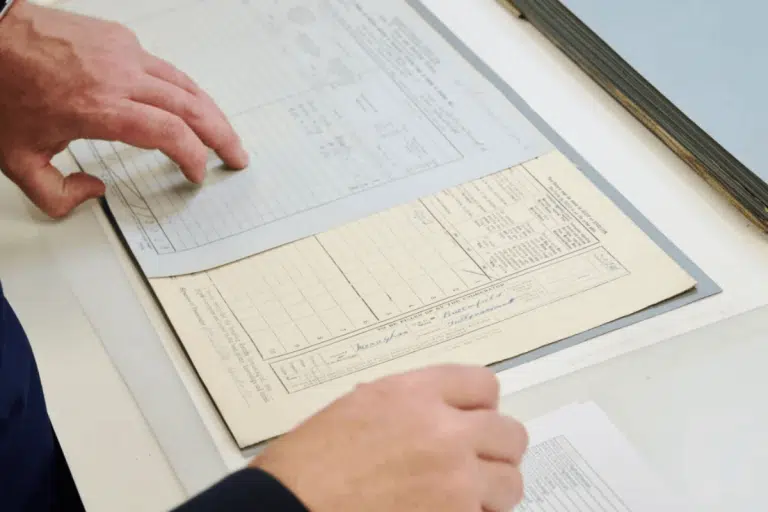
21 data sets across two forms (Household Return Form A and Enumerator Form B).
1. Household Return (Form A)
Relationship to the head of household, age (in years and months), birthplace (including townland or town), marital status and orphanhood, religion, occupation, employer name/business, Irish language ability, details of marriage and number of children, and agricultural acreage held by household members.
2. Emunerator’s Return (Form B)
Type of building, whether inhabited or uninhabited, number of families in each building, number of males and females, total population per building, and number of rooms occupied.
These data sets help determine a rich picture of life in Ireland in 1926.
Top Tips for Searching the 1926 Census
When searching the 1926 Census of Ireland, the following might help.
- Identify ancestors who were alive in April 1926
- Research where they lived in 1926
- Determine where they were born (town or townland)
- Estimate their age (birth, death records might help)
- Identify siblings or other household members
- Familiarise yourself with District Electoral Divisions (DEDs)
The more information you have, the easier it can be to search.
A Landmark Moment for Irish Family History
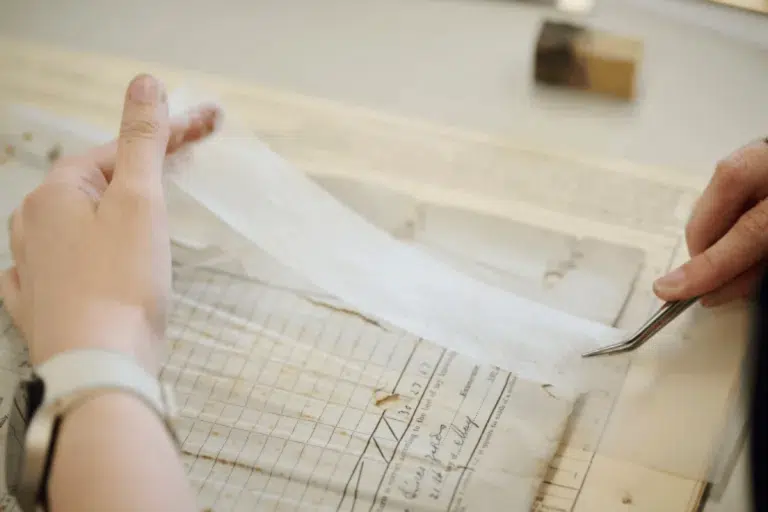
Across more than 700,000 digitised records, you’ll find the names, lives, occupations, and everyday realities of family captured in their own handwriting a century ago.
For anyone exploring Irish ancestry, the 1926 Census of Ireland is an opportunity to reconnect with the past and rediscover the people who shaped your family story.
Need help exploring the 1926 Census?
The 1926 Census provides a wonderful opportunity to uncover your family history during the early years of the Irish Free State. Searching and interpreting the records can be challenging, particularly with common names, incomplete information and gaps in earlier records.
If you’d like expert help, genealogists at the Irish Family History Centre offer one‑to‑one consultations and research.
2026: A New Chapter.
The Irish Family History Centre has long been located within EPIC The Irish Emigration Museum, in the CHQ Building in Dublin’s Docklands. You’ll find us upstairs in the EPIC gift shop, where we offer consultations, genealogy research and personalised heritage experiences.
Now officially part of the EPIC family, we’re more closely connected than ever to the wider story of Irish emigration; helping people not only discover where their family came from, but better understand the journeys that shaped their story. You’ll find more up-to-date news about the Irish Family History Centre on the EPIC website.